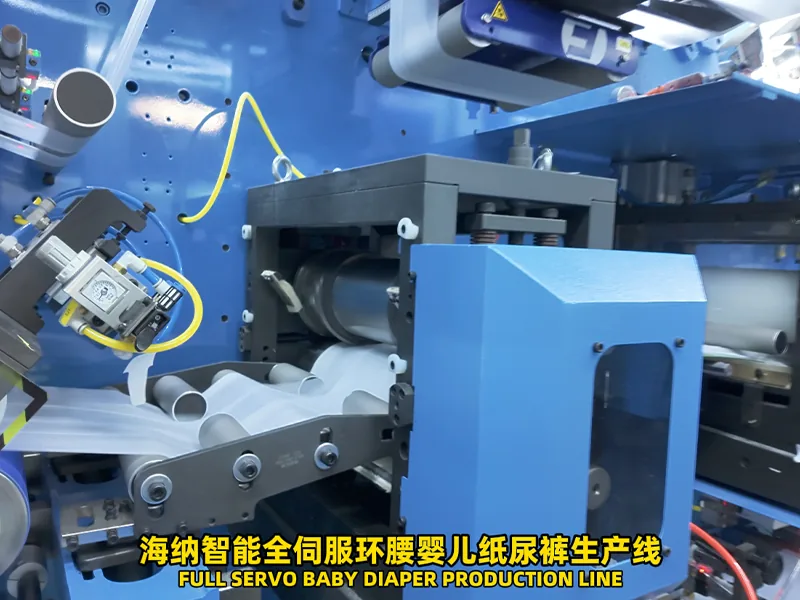
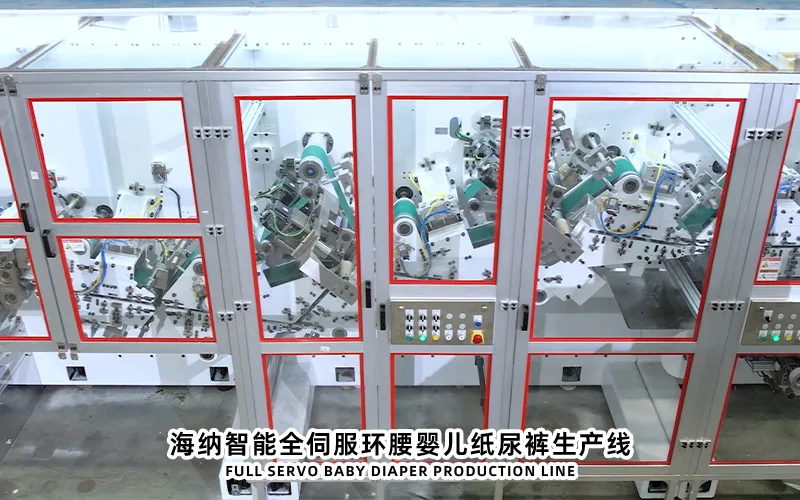
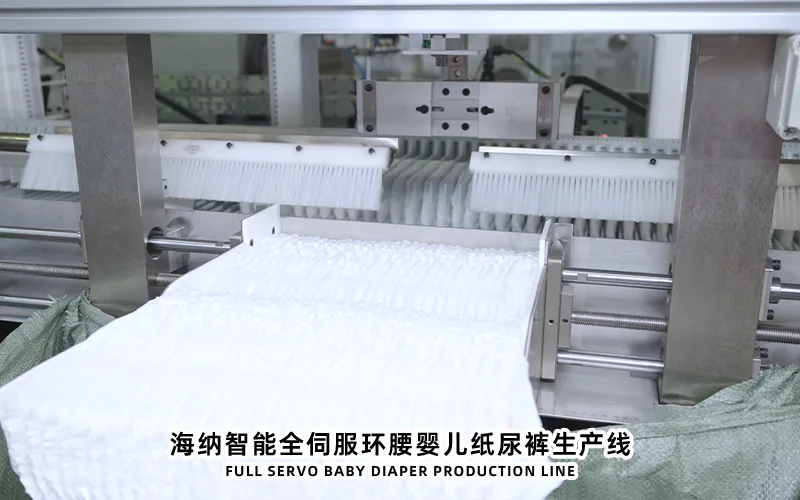
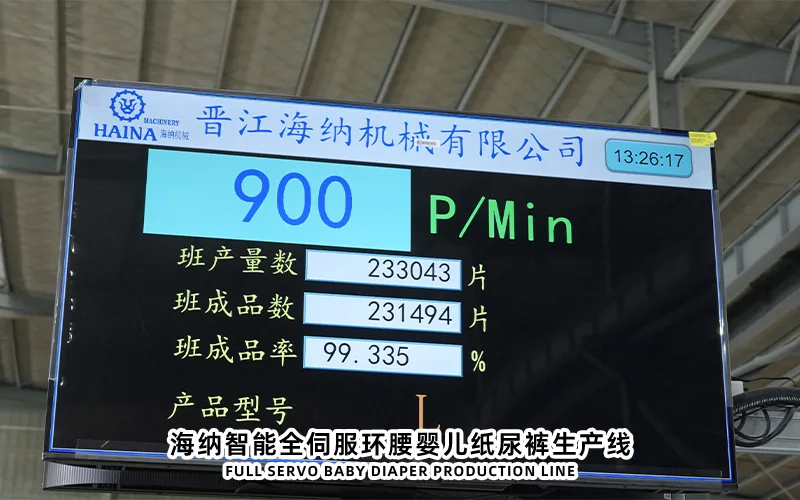
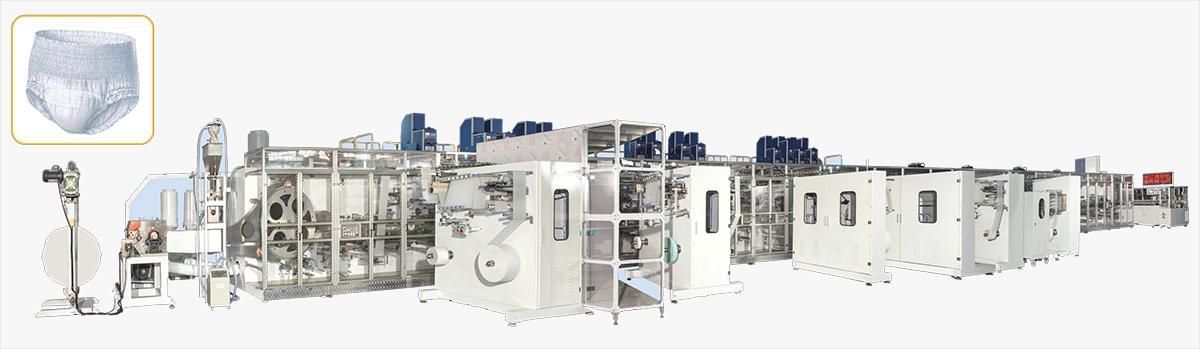
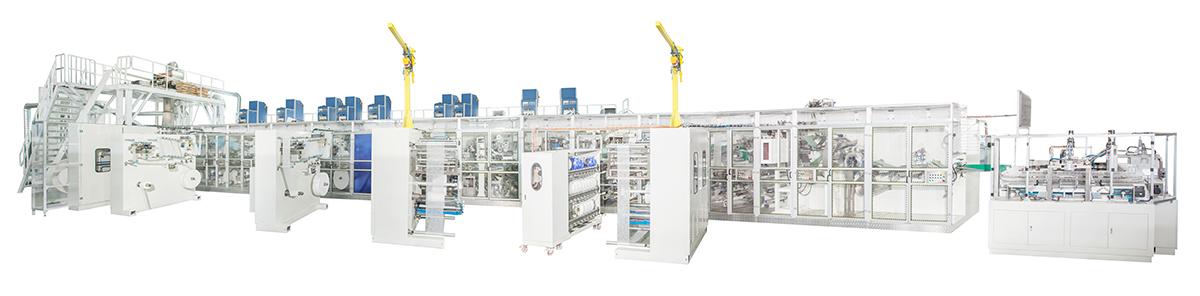
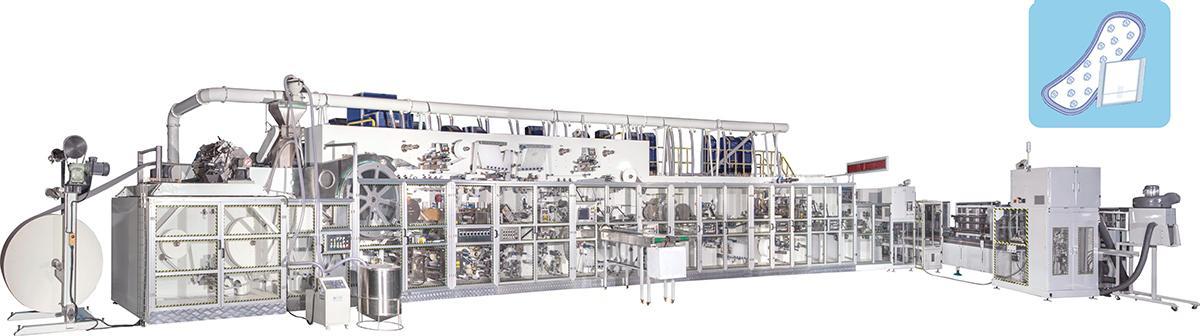
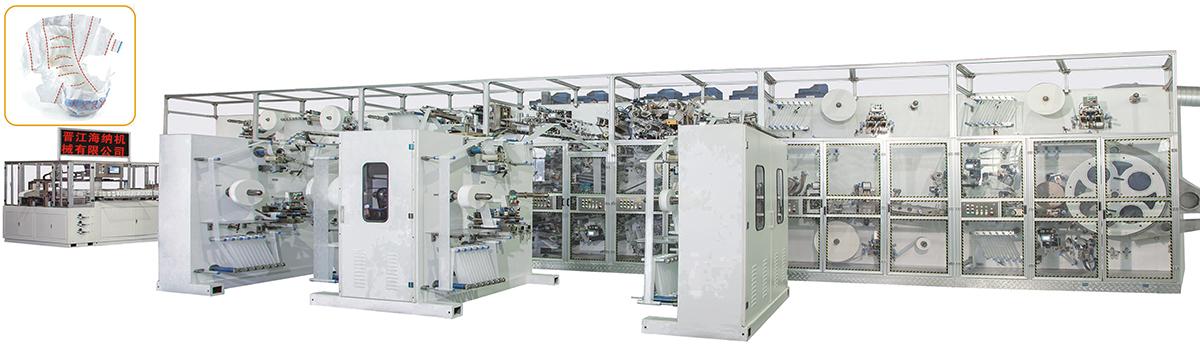
Maintain a diaper manufacturing machine through safe inspection routines, component-specific intervals, condition checks, controlled lubrication and cleaning, planned wear-part replacement, verified backups, and disciplined recovery records. Start every intervention with the correct stop and isolation state; never trade guarding or product safety for a quicker task. The maintenance supervisor should combine supplier instructions with actual operating hours, product mix, materials, environment, alarms, vibration, temperature, wear, and failure history. A machine offered for sale should be evaluated for access and documentation before purchase. FAT should include representative maintenance tasks, spare identification, settings restoration, and a controlled restart with product-quality verification.
Diaper Manufacturing Machine Maintenance Basis
A maintenance program needs a machine hierarchy. Divide the line into unwind and material feed, absorbent forming, web control, adhesive or bonding, elastic and fastening processes, cutting, folding, inspection, reject, counting, transfer, utilities, controls, and safety systems according to the actual configuration. Identify components and service points with tags that match drawings, parts information, alarms, and records.
For each component, define the likely failure modes and consequences. Examples include bearing deterioration, belt or chain wear, roller contamination, guide misalignment, sensor fouling, blade wear, adhesive buildup, air leakage, web-tension drift, fastener loosening, cooling or heating issues where applicable, and software or parameter loss. The failure mode determines whether the task should clean, lubricate, inspect, measure, test, adjust, replace, or back up.
Use supplier manuals and project documentation as the initial basis for baby diaper manufacturing equipment. Then incorporate the site's actual duty, materials, product mix, environment, skill, and observed condition. Changes to intervals or methods should be approved and traceable. A technician's useful experience should enter the controlled plan rather than remain an unwritten habit.
A component hierarchy connects inspections, tasks, spares, and fault records.
Start With Safe Condition and Inspection
Every task needs an energy and movement state. Routine external observation may occur under defined operating conditions from safe positions. Guard opening, reach into web paths, blade work, drive work, jam clearing, cleaning near hazards, or component replacement normally requires controlled stop and isolation according to the machine and site procedure. Release pneumatic, mechanical, thermal, hydraulic, or other stored energy as applicable and verify the state before work.
Use operator inspection to find early changes without dismantling the machine. Observe unusual noise, vibration, smell, heat, leakage, dust accumulation, web wandering, repeated alarms, reject pattern, cut appearance, adhesive condition, loose guards, damaged labels, and air loss. Define what is normal and how an exception is reported. "Check machine" is not an adequate instruction.
Before a planned stop, capture operating evidence. Record product and recipe, speed condition, alarm history, trends, recent adjustments, material change, and quality findings. This helps maintenance reproduce the symptom. After stopping, inspect before cleaning removes evidence. Dust patterns, rub marks, residue, displaced parts, or a damaged edge can show the cause.
After work, account for tools, fasteners, guards, temporary supports, cleaning materials, and replaced parts. Restore settings and safety devices, then perform an approved controlled movement. The quality team should inspect first output when maintenance could affect product formation, position, bonding, cutting, inspection, folding, or wrapper condition.
Set Task Intervals by Failure Mode
Intervals can be calendar based, operating-hour based, cycle based, condition based, or triggered by an event such as changeover, material spill, abnormal stop, tooling exchange, or prolonged shutdown. Select the trigger that relates to deterioration. A daily visual check and an operating-hour lubrication task can coexist on the same component because they detect different risks.
Document the initial interval source. It may come from component instructions, line engineering, lubrication requirements, tooling experience, safety function testing, or commissioning findings. State acceptance or escalation criteria. An inspection without a limit only confirms that someone looked.
Review intervals using repeated evidence. If a blade consistently reaches its condition limit early, investigate material, alignment, setup, handling, sharpening, and process before simply replacing it more often. If a bearing remains in good condition, do not extend its lubrication interval from appearance alone; consider lubricant condition, duty, seal arrangement, and trend evidence.
Overdue tasks need risk review. A scheduling system should show criticality, allowed deferral authority, current condition, temporary controls, and revised due date. Repeated deferral indicates a planning or access problem that supervision must resolve.
Intervals should respond to component duty, condition, and verified failure mechanisms.
Maintenance trigger
Suitable task example
Completion evidence
Review signal
Each shift or run
External leak, guard, noise, web, and alarm observation
Operator exception record
Repeated small abnormalities
Planned short stop
Clean sensors, guides, debris points, and accessible surfaces
Jam, collision, overload, contamination, utility loss inspection
Event scope, findings, disposition, restart
Unknown affected zone
Clean and Lubricate Without Contamination
Cleaning should remove fiber, dust, absorbent residue, film trim, adhesive transfer, and other debris without pushing it into bearings, electrical devices, product paths, or the surrounding area. Define approved vacuum, brush, cloth, scraper, and cleaning-agent methods by zone. Protect delicate roller surfaces, coatings, sensors, blades, and seals. Do not assume compressed air is acceptable.
Plan deeper cleaning around access and isolation. Remove raw materials or protect them according to factory procedures. Inspect hidden spaces, extraction points, ducts, guards, adhesive areas, and reject routes. Record abnormal accumulation because it may reveal failed extraction, poor trim capture, leakage, web contact, or an interval that needs review.
Lubrication control needs the point, approved product, quantity or level, application method, interval, responsible role, and contamination barrier. Use dedicated labeled tools and closed containers. Verify centralized systems at delivery points rather than checking only reservoir level. Excess lubricant, mixed grease, blocked feeders, and damaged seals can all create faults.
Release the line only after inspecting material and product paths for oil, grease, cleaning residue, tools, and cloths. If contact is suspected, segregate affected material and let the quality role decide disposition. Mechanical completion does not override product controls.
Monitor Web, Process, and Cutting Condition
Web control deteriorates through roller contamination, bearing condition, guide or sensor shift, tension-component wear, damaged surfaces, and alignment changes. Trend web-position corrections, tension observations, wrinkles, edge damage, and splice recovery where information is available. Diagnose the material and zone rather than repeatedly compensating with a downstream guide.
Process condition includes absorbent formation, adhesive application, elastic feed, fastening placement, bonding, folding, and wrapper behavior according to configuration. Use product measurements to direct maintenance. A position trend may indicate sensor, drive, tooling, tension, or material causes. Maintenance and quality should review the evidence together before adjusting multiple settings.
Cutting systems require protected tooling identity, condition checks, alignment, fastening control, safe handling, and an approved sharpening or replacement method. Record cut appearance and removed-tool condition. Store matched or fragile tools in dedicated supports. A dull or damaged tool can create debris and product defects before it causes a machine alarm.
Product trends help target web, process, tooling, and alignment inspections.
Control Spares, Tools, and Software
Build a spare register from the as-built machine. Include tag, installed manufacturer and model or controlled project identity, function, interchangeable status, storage requirement, and associated drawing or setting. Classify parts by failure consequence, availability, wear rate, and replacement complexity. The correct stock quantity depends on the factory's own supply and risk strategy.
Special tools and gauges need identification, condition, storage, and verification. Change parts should state product format and revision. Damaged guides, tooling, lifting fixtures, or alignment aids must be held from use. A wrong change part can create a quality problem that looks like a controls fault.
Software backups should cover the final program, interface application, drive parameters, recipes or protected settings, and device files needed for recovery. Record version, date, machine identity, access, and restore method. Verify representative restoration during handover or planned maintenance without endangering the production baseline.
After an approved hardware or software change, update drawings, bill of materials, spare identity, maintenance procedures, backups, risk review, and training as affected. HAINA can support configuration review and maintenance evidence for its supplied line, while the factory controls its site copies and change authorization.
Recover From Faults and Maintenance
Fault response begins with safe stop, event preservation, and scope. Record time, product, material, recipe, speed, alarms, sequence, affected zone, recent maintenance or change, and product disposition. Inspect the likely failure chain rather than replacing the first component named by an alarm.
Corrective work should document findings, parts and settings changed, measurements, technical approval, and tests. If the cause remains uncertain, define temporary monitoring and escalation rather than closing the job as repaired. Repeated faults should enter root-cause review and may require design, task, spare, training, or material action.
Restart in stages. Confirm assembly, fasteners, alignment, lubrication, guards, tools, utilities, settings, and safety functions. Use manual or low-risk controlled movement where the procedure permits, then introduce material and inspect first output. Continue enhanced observation for a defined period or event sequence before routine release.
Maintenance Interval Plan
Observe frequently: Safe external condition, leaks, noise, heat, web tracking, debris, alarms, reject pattern, and product trend.
Use planned stops: Zone cleaning, accessible inspection, lubrication where due, fastener and guard checks, sensor care, and finding capture.
Use meter or condition triggers: Wear measurement, tooling service, drive and bearing work, filters, belts, chains, alignments, and component tasks.
Use event triggers: Changeovers, jams, impacts, overloads, utility failures, long shutdowns, software changes, and contamination incidents.
Review monthly or by site cycle: Backlog risk, recurring faults, early replacements, abnormal consumption, repeat adjustments, spares, and interval effectiveness.
Maintenance closes only after controlled restart and accepted product verification.
Frequently Asked Questions
How often should a diaper line receive maintenance?
There is no single interval. Set component tasks by supplier basis, duty, cycles, condition, environment, failure mode, risk, and event triggers, then review with records.
Can operators perform maintenance?
Operators can own trained, approved care and observation tasks. Isolated adjustment, replacement, alignment, software, and hazardous work require the designated competent roles.
Which spares should be kept on site?
Prioritize from as-built identity, failure consequence, local availability, wear evidence, replacement complexity, storage, and repair strategy rather than a universal quantity list.
What proves a maintenance job is complete?
Completion includes recorded findings and work, correct parts and settings, clean area, guards and safety restored, controlled function test, accepted first product, and escalation closure.
Conclusion
A dependable diaper manufacturing machine maintenance program combines safe state control, component-based intervals, condition evidence, contamination-aware cleaning and lubrication, process and tooling checks, traceable spares, verified backups, and disciplined recovery. Before buying, have maintenance representatives inspect access and perform sample tasks during FAT. The supervisor's next practical action is to select five critical zones, connect each physical tag to its task, failure mode, safe method, acceptance condition, spare, and restart check, then correct every documentation or access gap before applying the same structure to the full line.