

Document
Record supplier, grade, roll width, basis weight, winding direction and permitted substitute for every input.


Material-first review
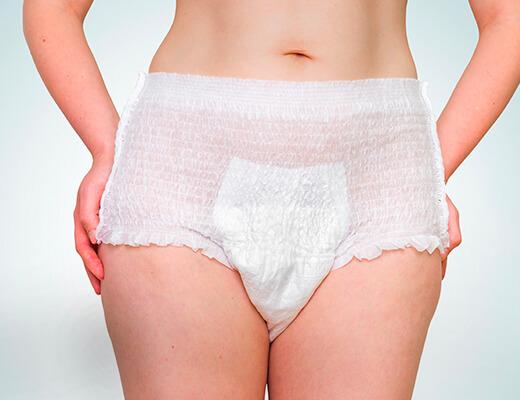
A material list is not yet a runnable sanitary-pad recipe. The CLK350 source names hydrophilic and hydrophobic nonwovens, ADL, pulp, SAP, tissue or nonwoven, PE film, elastics and adhesives. It also creates a category problem: the locked title says sanitary pads, but the technical table and raw-material heading call the equipment an automatic menstrual pants machine. The finished product sample must resolve that conflict before widths, unwinds, tooling or acceptance criteria are frozen.
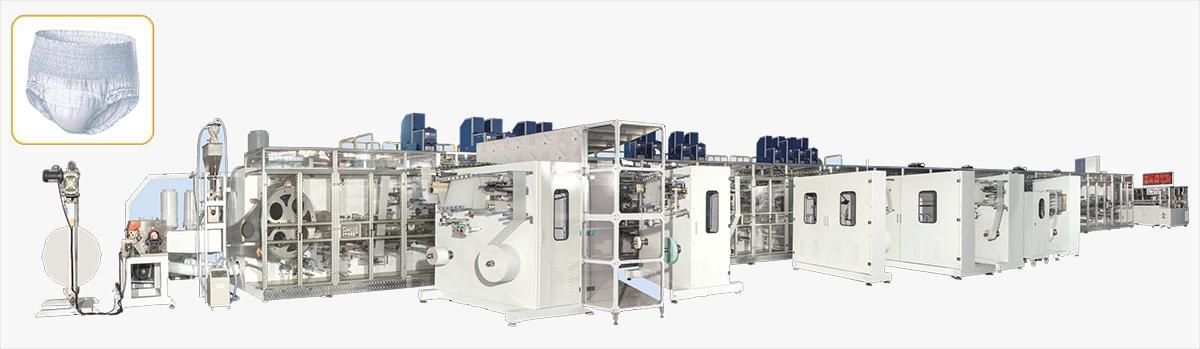
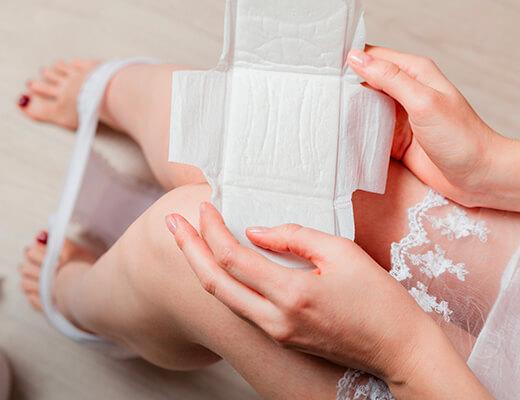
Confirm pad outline, wings, core shape, release materials, individual wrap and final fold from the buyer's drawing. These features cannot be inferred from a menstrual-pants material list.
The old material field includes leg-cuff nonwoven, leg-cuff elastic, waist inner and outer nonwoven, and waist elastic. If this is the intended route, the contract must name it and define the side-bond and waist acceptance method.
| Recorded input | Machine-facing question | Product evidence to approve |
|---|---|---|
| Hydrophilic topsheet and ADL | Width, basis weight, friction, tracking and layer registration | Surface coverage, acquisition-layer position and finished feel on the signed sample |
| Fluff pulp and SAP | Grade, dosing basis, core forming condition and dust control | Approved core shape, mass distribution and absorbency test method |
| Upper/lower tissue or nonwoven | Web strength, roll direction and compatibility with the core route | Core integrity through cutting, transfer and folding |
| PE film | Gauge, stretch, tracking and adhesive response | Backsheet position and bond condition |
| Leg-cuff and waist materials | Whether these pant-specific inputs actually belong in the ordered product | Contract-confirmed product form, dimensions and tooling |
| Construction, elastic and wetness-indicator glue | Application position and temperature window supplied by the adhesive vendor | Bond and indicator checks agreed for the intended substrates |
Record supplier, grade, roll width, basis weight, winding direction and permitted substitute for every input.
Observe tracking, stretch and splice behavior at controlled settings before moving toward the planned rate.
Inspect adhesive placement and bond response with the actual topsheet, tissue or nonwoven and PE film combination.
Keep input lot data, settings, accepted pieces and rejected pieces from the same production window.
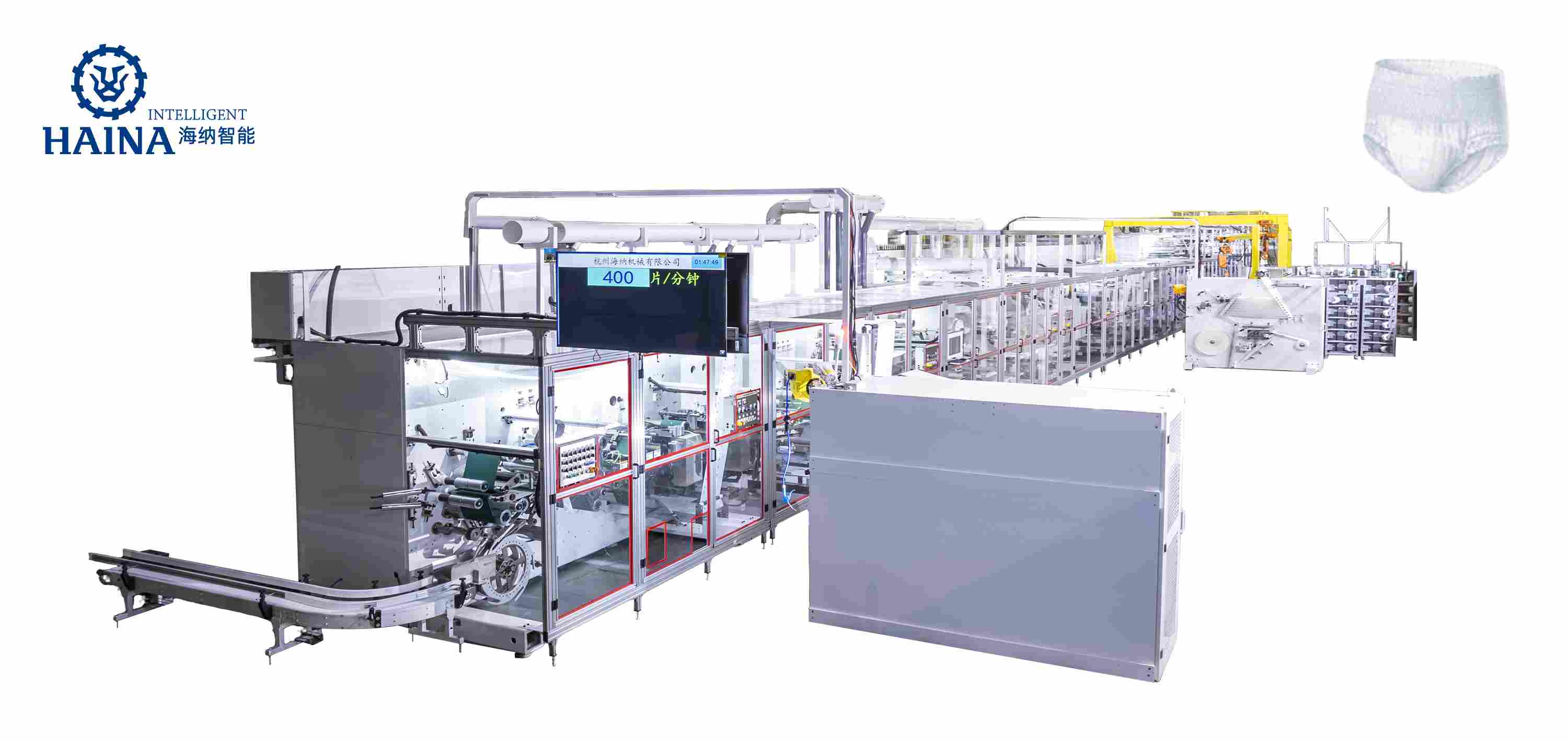
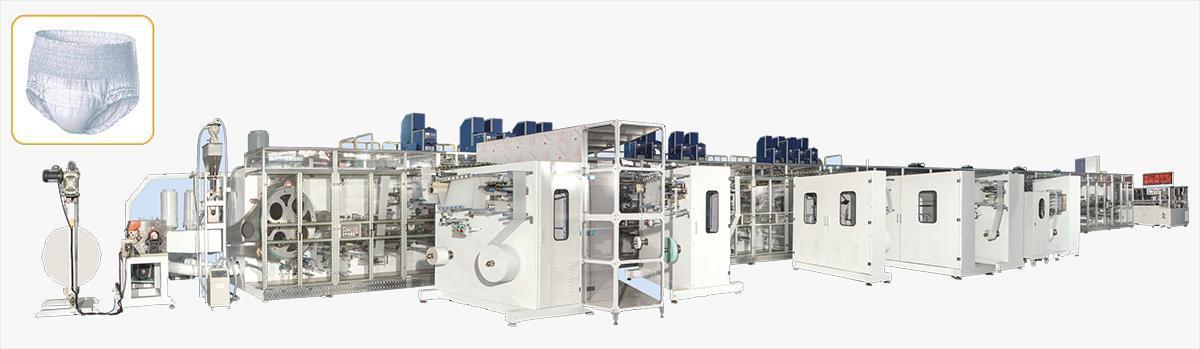
Automatic Menstrual Pants Machine. Design Speed: 350ppm. Stable Working Speed: 250-300ppm. Power Source: 380V,50HZ. Machine Capacity: 400KW. Air Pressure: 0.6-0.8Mpa. Machine Weight: 95 tons. The material record includes Hydrophilic NW (Topsheet), Hydrophobic NW (Legcuff), Waist inner NW and Waist outer NW. These entries document the historical source; they do not resolve the flat-pad versus pull-on product conflict.
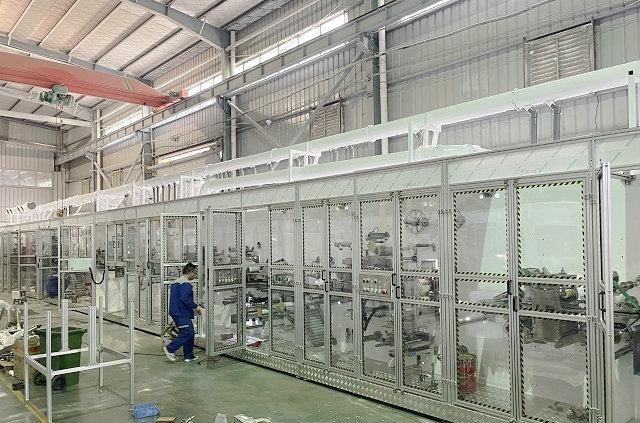
The legacy table records a 350 ppm design speed, 250-300 ppm stable working speed, at least 85% efficiency and no more than 4% rejection. It also lists 45 m by 10 m by 4 m, 380 V at 50 Hz, 400 kW, 0.6-0.8 MPa air and 95 tons. These figures are useful for planning, but none proves compatibility with a new substrate. The contract should link any performance commitment to the approved product form, material grades, pack boundary and counting method.
The old table is headed Automatic Menstrual Pants Machine while the title is Machine for making sanitary pads. HAINA should not select pant-specific material stations or flat-pad tooling until the customer signs the intended product construction.
No. The old marketing paragraph mentions recycled materials but provides no grade, test result or machine condition. Any substitute needs its own supplier data and trial.
No universal condition is documented. The stable-speed range must be confirmed with the named product, approved input grades and downstream scope.
They connect a material lot and machine setting to the actual product response, which makes later corrections and supplier comparisons traceable.
Automatic Menstrual Pants Machine
|
Dimensions(L×W×H8) |
45m*10m*4m |
|
Design Speed: |
350ppm |
|
Stable Working Speed: |
250-300ppm |
|
Rejection Rate: |
≤4% |
|
Efficiency: |
≥85% |
|
Power Source: |
380V,50HZ |
|
Machine Capacity: |
400KW |
|
Air Pressure: |
0.6-0.8Mpa |
|
Machine Weight: |
95 tons |
Automatic Menstrual Pants Manufacturing Machine
| No. | Raw materials |
| 1 | Hydrophilic NW (Topsheet) |
| 2 | Hydrophobic NW (Legcuff) |
| 3 | Elastic for Legcuff |
| 4 | ADL |
| 5 | Fluff pulp |
| 6 | SAP |
| 7 | Upper tissue/NW |
| 8 | Lower tissue/NW |
| 9 | Pe film |
| 10 | Waist inner NW |
| 11 | Waist outer NW |
| 12 | Elastic for waist |
| 13 | Construction glue |
| 14 | Elastic glue |
| 15 | Wetness indicator glue |




Menstrual Pants Machine so convenient and easy to use, and it has made managing my period a breezeBenjamin 2024-05-31
Menstrual Pants Machine to anyone looking for a more sustainable and cost-effective solution for managing menstruation.Dylan 2024-05-31
As a business owner, the Menstrual Pants Machine has allowed me to offer a unique and valuable service to my customers.Jackson 2024-05-31
Menstrual Pants Machine a great solution for busy individuals.Samuel 2024-05-31