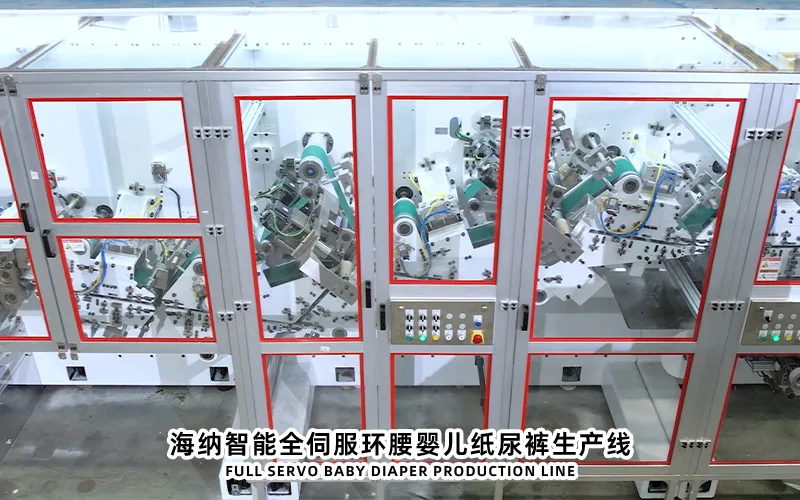
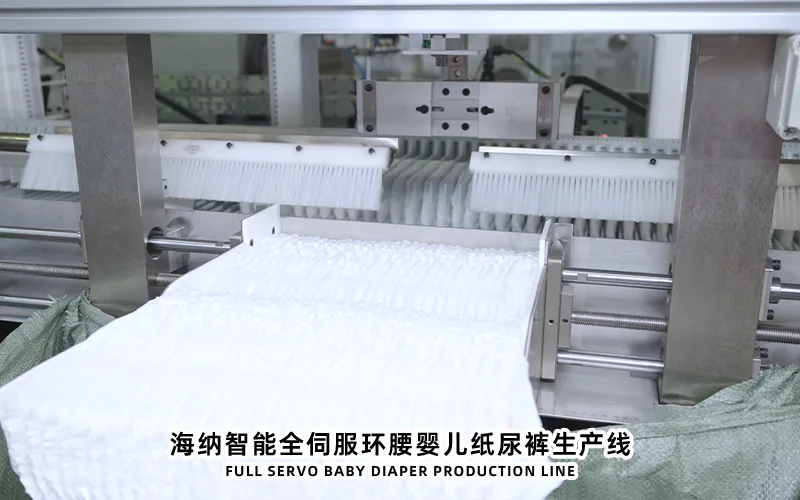
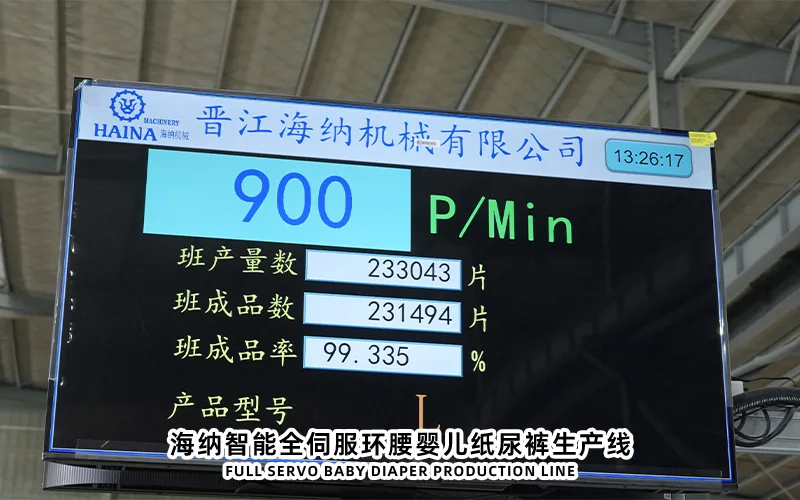
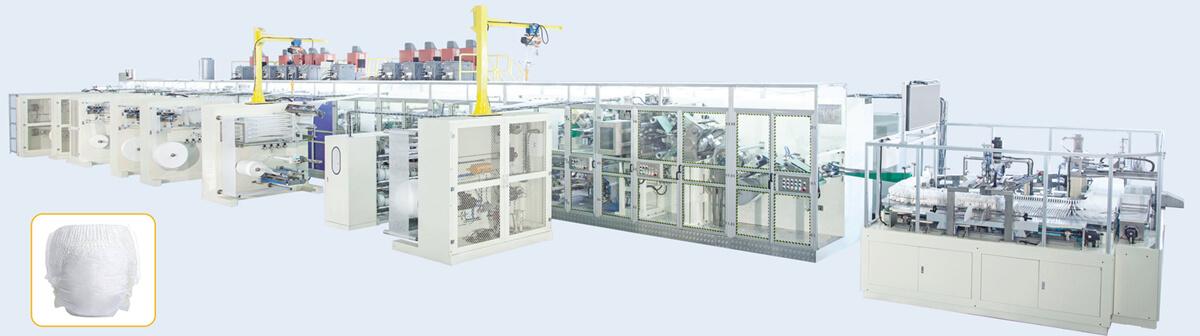
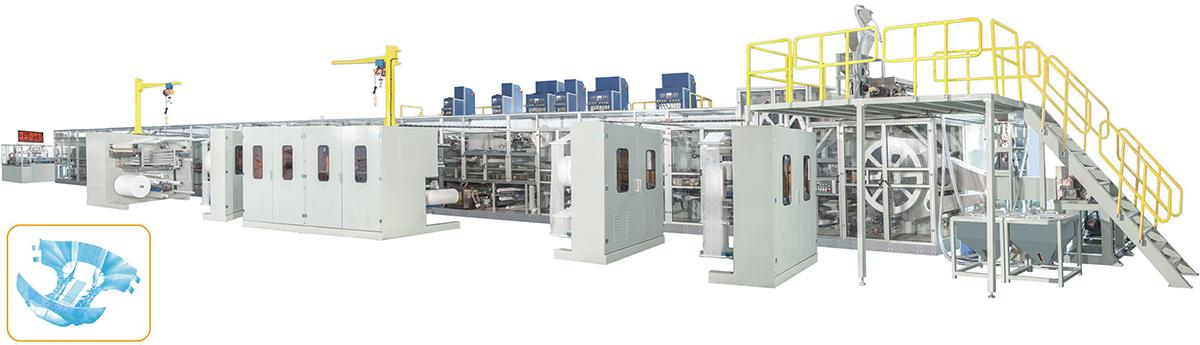
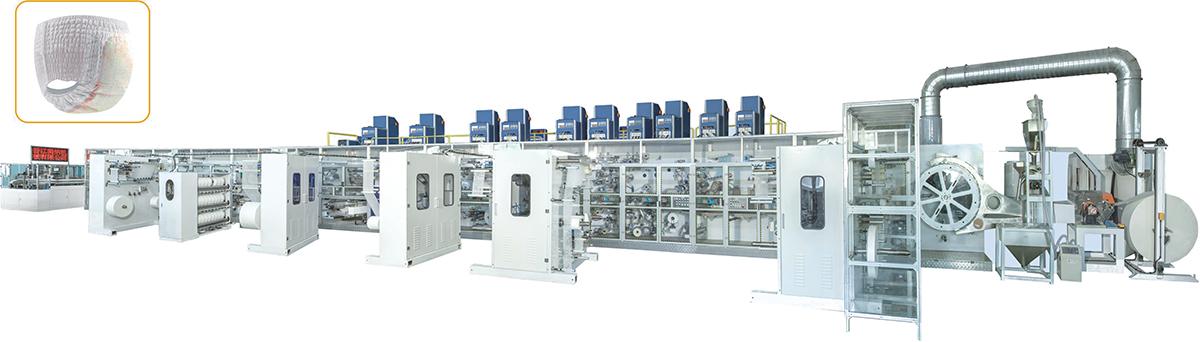
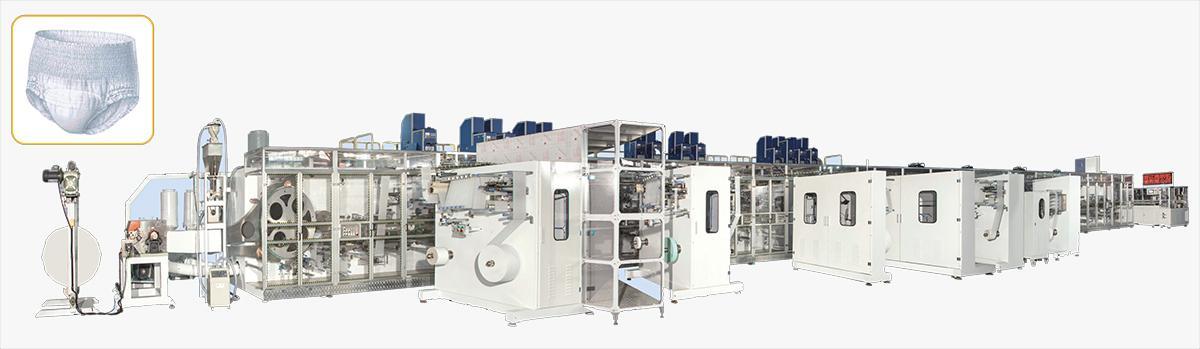
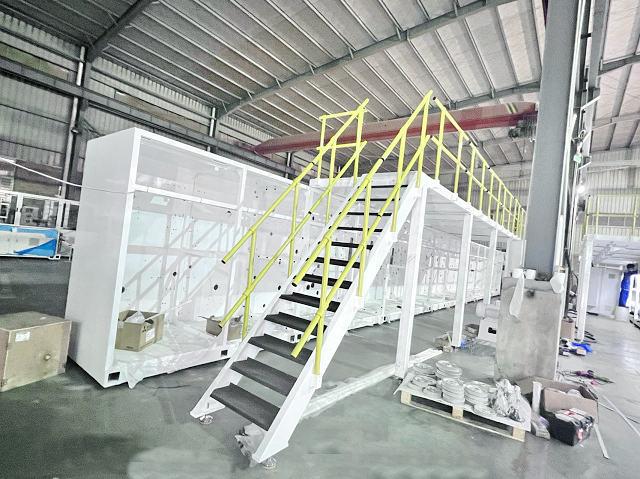
Maintenance and care for a fully automatic infant diaper machine must protect both mechanical condition and the automation that coordinates materials, drives, sensors, inspection, rejection, and product recipes. The maintenance supervisor should organize work by machine zone, safe access state, condition evidence, and product consequence. Routine care includes controlled cleaning, leak and wear inspection, sensor and web-path checks, lubrication to approved instructions, spare verification, backups, and post-work testing. Automatic operation does not reduce the need for human judgment; it increases the need for disciplined records and authorization. After intervention, restore safety functions, verify timing and detection, inspect first-off diapers, and release production through the agreed quality process.
Define the Automation Care Scope
Start with an installed-asset list. It should include material stands, splice devices, web guides, tension controls, absorbent-core preparation, vacuum and extraction, adhesive systems, component and elastic applicators, cutters, folders, conveyors, drives, electrical cabinets, operator controls, sensors, inspection, rejection, counting, and safety devices. Identify optional equipment and downstream interfaces so no station falls between owners.
For each asset, connect the maintenance task to a failure effect. A contaminated web-contact roller can wrinkle material; loose guidance can shift components; a worn cutter can damage edges; a vacuum leak can disturb transfer; sensor contamination can create false detection; and an uncontrolled recipe can move several process settings. This connection helps the supervisor prioritize findings that threaten safety or conforming output.
Tasks must state the required machine state. Some observations can be made from outside guarding during normal operation. Cleaning, adjustment, replacement, electrical work, or entry into hazardous zones requires the approved stop and isolation method. Define stored-energy controls and restart authority for each task family. Never treat automatic mode, stopped motion, or a blank screen as proof that energy is controlled.
Configuration rule: preserve the approved mechanical, electrical, software, inspection, and recipe configuration. A maintenance shortcut that changes timing, detection, access permissions, or safety behavior is an engineering change and needs controlled review.
Clean and Inspect Infant Diaper Process Zones
Cleaning methods should name the surface, approved agent or tool, equipment state, contamination risk, and inspection after cleaning. Absorbent dust, adhesive residue, fibers, and trim can collect around vacuum paths, rollers, sensors, cutters, applicators, and extraction points. Uncontrolled compressed-air cleaning may move contamination into bearings, cabinets, sensors, or product areas, so use only methods approved for the equipment and factory.
Cleaning tasks should expose the condition of web surfaces, sensors, applicators, and transfer points.
Inspection follows the product path. At unwinds, check roll supports, brakes, chucks, guides, splice preparation, and visible damage. Along webs, inspect roller surfaces, alignment references, routing, tension devices, and edge guides. Around core preparation, inspect feeds, containment, vacuum seals, extraction, and buildup. At component application, check routing, applicator cleanliness, mount security, hoses or cables, and position references. At cutting and folding, inspect tool condition, debris, clearance indicators, transfer surfaces, and guards.
Record actual findings. "Cleaned" does not show whether a part was normal, contaminated, damaged, loose, or nearing a limit. A useful record identifies location, observed condition, action, product risk, parts used, and follow-up. Where photographs are permitted by factory rules, use consistent viewpoints so condition can be compared.
Automatic coordination can mask gradual degradation because controls compensate until their adjustment range narrows. Look for rising correction frequency, growing drive load, repeated registration edits, increased reject activity, longer recovery, vibration, heat, leakage, or quality drift. Trends should be compared under similar SKU, material, and operating conditions; otherwise a normal product change can be mistaken for machine deterioration.
Asset group
Condition evidence
Product or operating warning
Maintenance decision
Rollers, guides, tension
Surface, alignment, movement, tension trend
Wrinkle, wandering, registration correction
Clean, inspect mounting, measure by approved method
Vacuum and extraction
Leak indication, filter condition, pressure trend
Unstable transfer, dust, core variation
Localize restriction or leak before recipe changes
Drives and transmission
Noise, heat, vibration, load, belt or coupling state
Timing variation, trip, repeated speed limitation
Plan inspection or controlled shutdown by risk
Cutting and folding
Tool edge, buildup, clearance, fastening
Rough cut, incomplete separation, poor fold
Service with approved tooling and verify output
Inspection and rejection
Lens condition, alignment, signal and challenge result
False accept, false reject, count mismatch
Contain product and verify complete detection chain
Condition trends should be tied to the same product and operating state before maintenance limits are changed.
Set routes and interval reviews from supplier guidance, duty, environment, failure history, and condition evidence. Do not apply one calendar interval to all assets. A frequently exposed sensor and a sealed cabinet component face different contamination and access conditions. Review tasks after a failure, design change, material change, or repeated no-finding inspection.
Buyers can request the maintenance structure while evaluating automatic baby diaper manufacturing equipment. The useful deliverable is a zone-specific task and spare package matched to the delivered configuration, not a generic list of machine parts.
Protect Controls, Sensors, and Recipes
Control-system care includes cabinet cleanliness and environment, cooling paths, connection condition, device status, time synchronization where used, authorized backups, battery or storage condition where applicable, and access control. Electrical work belongs to qualified personnel following approved isolation and test procedures. Never clean energized cabinets or handle control components without the required method.
Sensors require more than wiping. Record identity, mounting, target condition, alignment, cable and connector state, contamination, response, and the machine logic that uses the signal. If a sensor participates in defect detection, test the complete path from input through alarm or reject action. A changing output can indicate a real target or timing condition, not necessarily a failed sensor.
Recipe governance protects repeatability. Maintain an approved recipe list by product and size, restrict editing by role, record revisions, and retain a known-good backup. After software or parameter work, compare critical settings with the approved version. Avoid restoring an old full-system backup without checking whether it would overwrite later safety, calibration, or product changes.
Alarm history is maintenance evidence. Preserve timestamps, machine mode, product recipe, material state, and recent changes for intermittent events. Repeated alarm reset without investigation can erase sequence information and create suspect product. Define which alarms operators may recover from, which require maintenance, and which require quality containment or engineering escalation.
Automation maintenance must preserve the relationship among sensors, logic, recipes, alarms, and rejection.
Govern Spares and Planned Work
Build the spare register from the installed bill of materials and approved alternatives. Include asset location, part reference, revision or rating, storage condition, criticality rationale, installed quantity, stock, reorder owner, and whether replacement needs programming, alignment, calibration, or a special tool. Store sensitive bearings, blades, belts, sensors, drives, and electronic parts according to their supplier requirements.
Before installation, inspect identity and condition. After installation, preserve the removed component until the diagnosis and record are complete. A new part does not prove the old part caused the failure. If the replacement changes firmware, parameters, mounting, or signal behavior, process it through change control and update backups or documentation.
Stage verified parts, tools, drawings, isolation points, and recovery checks before the planned stop.
Separate inspection work from replacement work so actual condition is captured.
Account for tools, fasteners, wipes, wire pieces, and removed material before closing guards.
Record temporary repairs with restriction, owner, expiry, and permanent action.
Connect repeated consumption to root-cause review rather than raising stock indefinitely.
Update training when a revised component changes installation, setup, or verification.
HAINA maintenance training can be aligned with the delivered equipment and proposed spare list, but the factory should demonstrate task competence on each shift. The supervisor verifies performance through observation: can the person identify the correct asset, isolate safely, use the document, record the finding, and complete recovery?
Apply a Recovery and Acceptance Sequence
Work verification: inspect the replacement or adjustment, fastening, routing, clearances, lubrication, and cleanliness.
Document verification: record parts, settings, measurements, findings, and controlled changes.
Safety restoration: restore guards and affected protective functions and complete authorized tests.
Staged function: use manual movement, dry cycle, or low-risk controlled operation as specified.
Product release: inspect first-off characteristics affected by the work and authorize disposition.
Loaded follow-up: recheck condition after representative operation where heat, speed, or load matters.
Return to service only after safety, automation, mechanical function, and product quality are verified.
The acceptance depth should match the work. Cleaning an external noncritical surface needs a different test from replacing a drive, moving an applicator, changing control hardware, or servicing the reject mechanism. The job plan should identify likely affected characteristics before work starts, so quality staff know what evidence is required.
If the original fault was intermittent or load-dependent, reproduce the relevant safe operating condition. Document what would count as recurrence and how long or under which event the follow-up will remain open. Closing a work order immediately after a successful restart can hide a failure that returns only after temperature, roll diameter, or sustained production changes.
Frequently Asked Questions
Does full automation reduce maintenance staffing?
Staffing depends on the installed scope, shift pattern, maintenance strategy, and local competence. Automation changes skills toward controls, sensors, data, and coordinated recovery; it does not remove cleaning, mechanical, electrical, and quality responsibilities.
How should machine recipes be backed up?
Use the approved supplier and factory method, identify versions, restrict access, retain a known-good copy, and verify restoration safely. Check that a backup will not overwrite newer controlled safety or product changes.
When should a sensor be replaced?
Replace it when controlled evidence shows it fails the approved functional requirement or condition criteria. First verify target, contamination, alignment, mounting, cable, supply, input state, logic, and timing.
What product checks are needed after maintenance?
Inspect the characteristics the work could affect, such as placement, dimension, bond, cut, fold, detection, rejection, or count. Use first-off approval and add loaded follow-up when the condition depends on time or speed.
Conclusion
Effective care integrates mechanical assets with automation and product release. Create a maintenance route for the fully automatic infant diaper machine that identifies each zone, safe machine state, observable condition, action threshold, record, spare reference, and recovery test. Then audit one completed job involving both a physical asset and an automatic function: verify isolation, part identity, settings, sensor or alarm response, first-off inspection, and follow-up under representative load. Before accepting the maintenance handover, the buyer should witness this sequence with its technicians and close gaps in drawings, backups, critical spares, access permissions, and competence records.