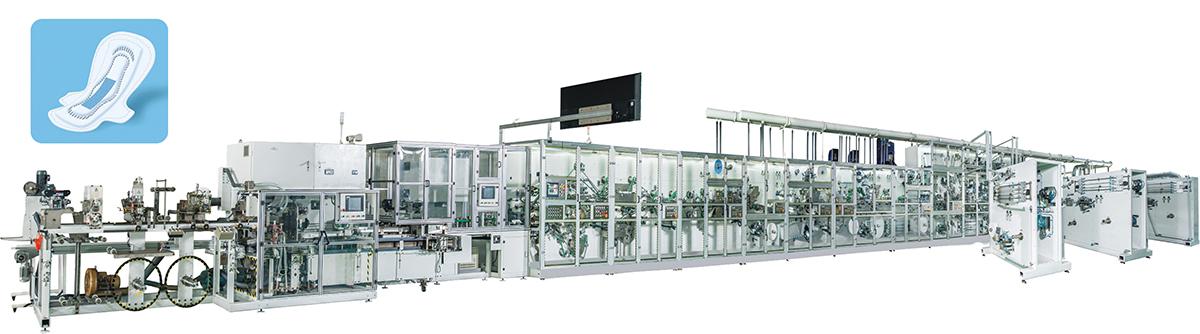
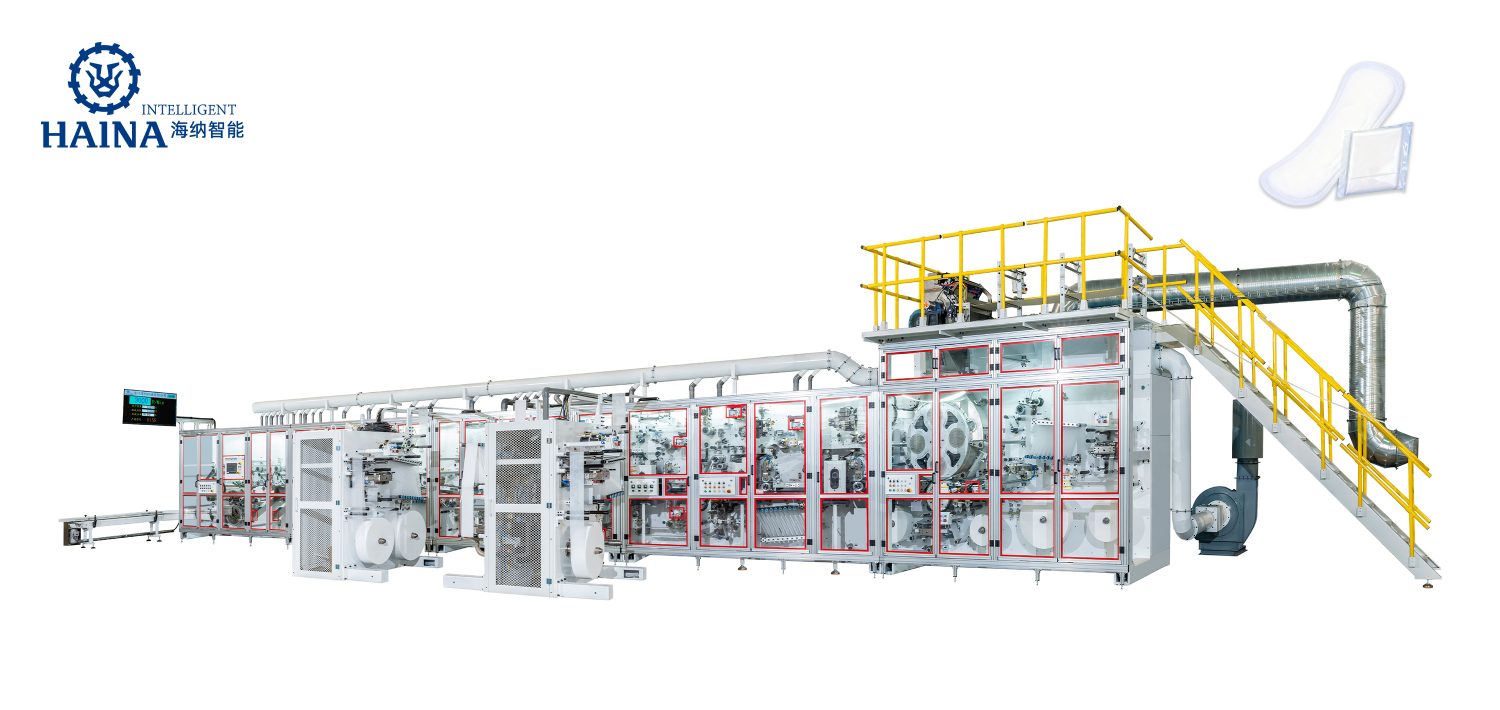
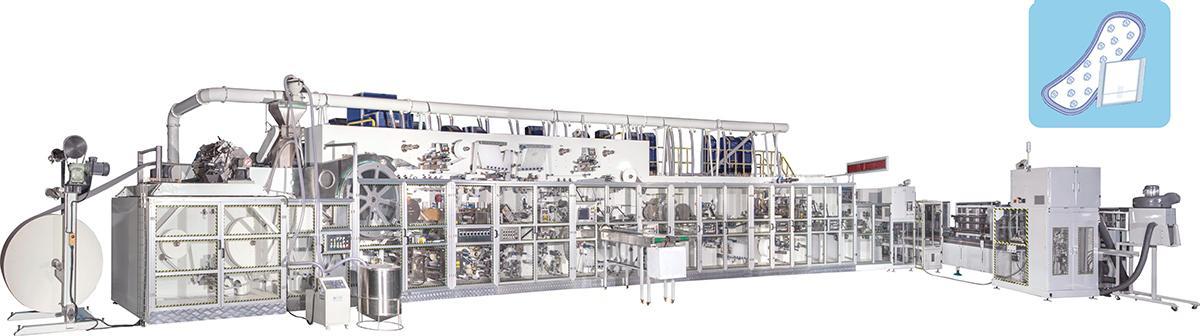
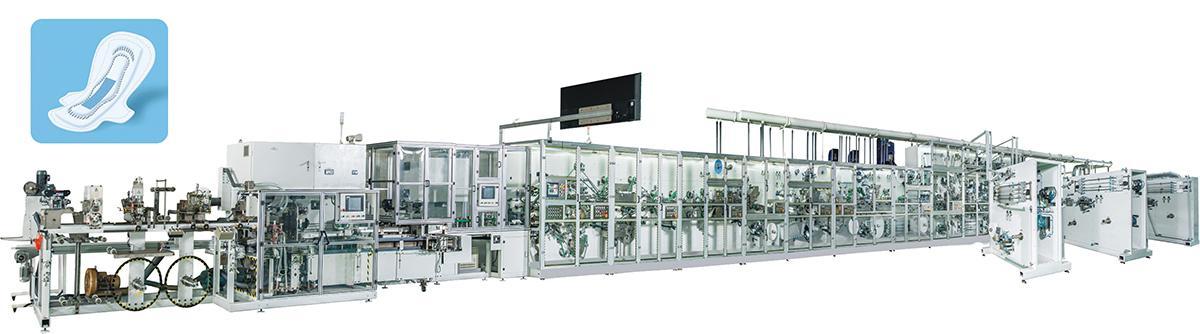
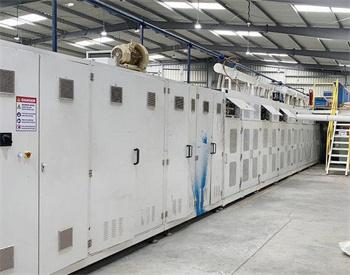
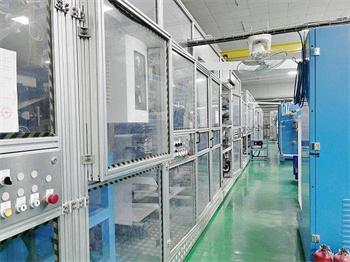
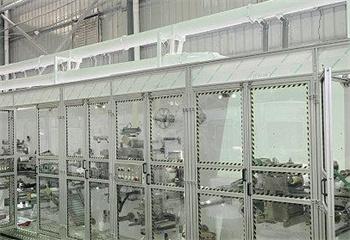
WSJ1000 combines a high-speed sanitary napkin converting line with an automatic bagger. The material set is the right starting point because topsheet, core alternatives, release papers, pouch film and positioning adhesive each create a different machine interface.
| Product zone | Recorded material options | Machine question to close |
|---|---|---|
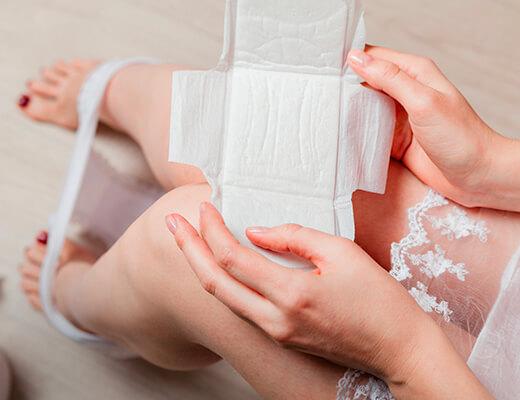
| Skin-contact layer | Nonwoven or PPF topsheet; hydrophobic nonwoven | Basis weight, embossing, roll width and surface direction |
| Acquisition and core | ADL nonwoven, fluff pulp, SAP, tissue, airlaid paper or SAP paper | Thick or ultra-thin construction, core weight and dosing recipe |
| Barrier and positioning | Backsheet, construction glue and position glue | Film tension, adhesive application width and release performance |
| Release components | Back release paper and wing release paper | Paper width, cut length and registration to the wing profile |
| Individual wrap | Pouch film and easy tape | Print mark, seal window, tape position and bagger handoff |

Fluff pulp and SAP form a bulkier absorbent core. The forming, compression, transfer and wrap settings have to match the specified core weight and thickness.
Airlaid paper or SAP paper changes the incoming material form and core-handling route. It should not be treated as a simple parameter change unless the selected modules support that material.
The legacy record states that the line can be configured for both types. The purchase specification should name which construction is included at delivery, which tooling is shared and which optional modules are needed for a later product change.


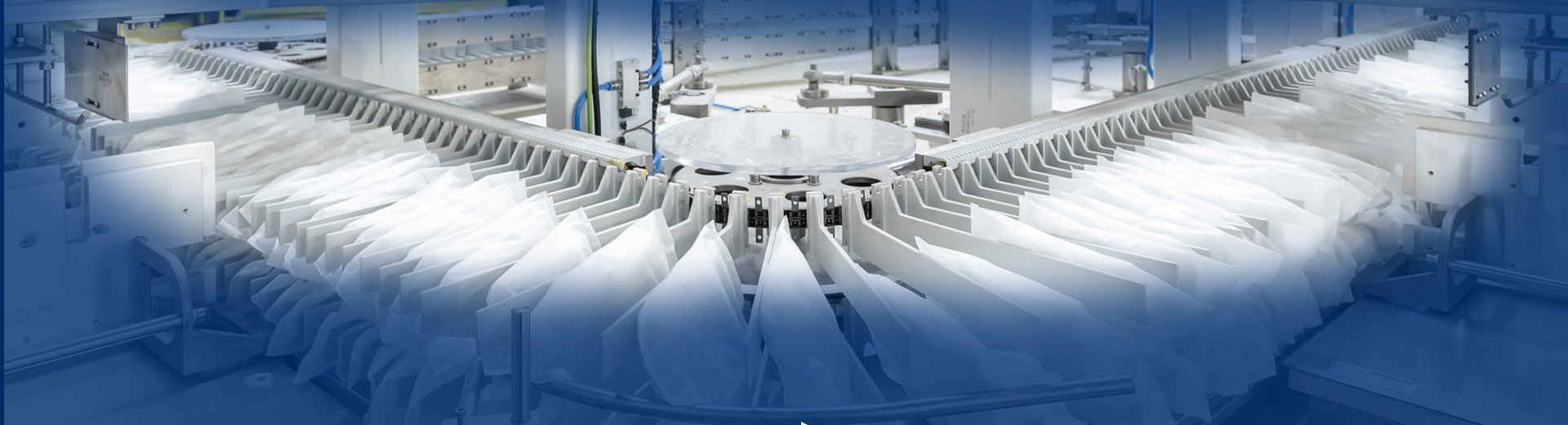
The bagger is not just an accessory at the end of the line. Product orientation, count per bag, compression, pouch-film print mark and discharge direction affect the stacker interface and the speed that the complete system can sustain. Confirm the finished pack, not only the loose napkin. The line acceptance record should distinguish converter output from accepted packed output.
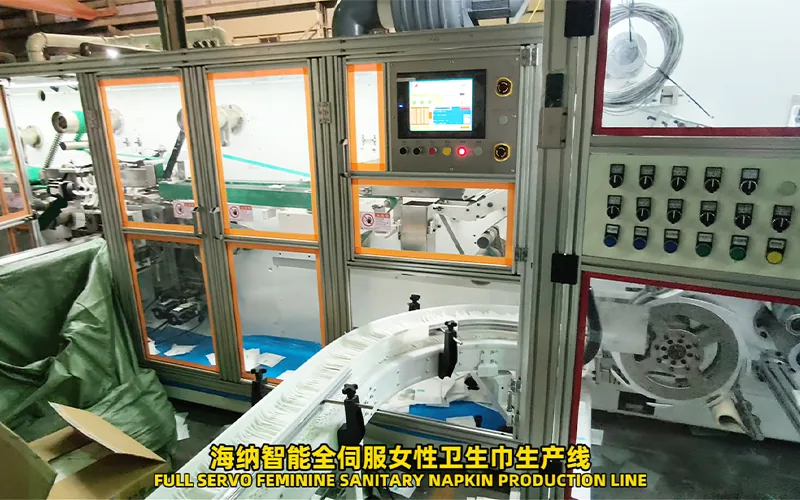
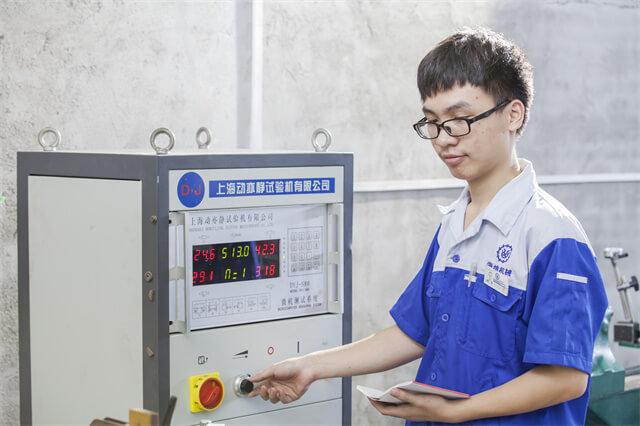
The saved product record calls for checks before start-up, daily cleaning and weekend cleaning, with attention to lubrication, transmission and control systems. A final maintenance plan should name each point, lubricant, inspection method and responsible role.
The source lists different sizes and thick or ultra-thin products, but the included tooling and material modules must be frozen for the ordered scope.
Start with the final core construction and pouch film because they influence both converting and automatic bagging.
Use the agreed napkin and pack format, the buyer materials and a documented sustained run. Count accepted packed products, rejects and stops separately.
WSJ1000 is best specified as a material-to-pack system. HAINA should receive the complete bill of materials, finished napkin and retail pack before freezing the converter, tooling and bagger interface. That sequence turns the recorded speed range into a testable production configuration.
Feminine Sanitary Napkin Machine
|
Dimensions(L×W×H8) |
30m*6m*3m |
|
Design Speed: |
1000ppm |
|
Stable Working Speed: |
800-900ppm |
|
Rejection Rate: |
≤3% |
|
Efficiency: |
≥85% |
|
Power Source: |
380V,50HZ |
|
Machine Capacity: |
220KW |
|
Air Pressure: |
0.6-0.8Mpa |
|
Machine Weight: |
55 tons |
Daily maintenance of Feminine Sanitary Napkin Machine
1. For the daily maintenance of Sanitary Napkin Machine, it is mainly daily maintenance and weekend cleaning. Among them, the daily maintenance should be strictly done before the operation, and the equipment should be checked first and then started.
2. The contents of Sanitary Napkins Machine inspection mainly include: lubrication system, traditional system, and control system. At the same time, problems should be identified and dealt with in a timely manner. After completing the work of the day, the equipment should be carefully cleaned and maintained according to the 4S management standard, so that the maintenance work can reach the regular and institutionalized standard.
Feminine Sanitary Napkin Machine
| No. | Raw materials |
| 1 | Topsheet(NW or PPF) |
| 2 | Fluff pulp |
| 3 | SAP |
| 4 | ADL N.W. |
| 5 | Tissue |
| 6 | Backsheet |
| 7 | Back release paper |
| 8 | Wings release paper |
| 9 | Pouch film |
| 10 | Easy tape |
| 11 | Air laid paper |
| 12 | SAP Paper |
| 13 | Hydrophobic N.W. |
| 14 | Construction glue |
| 15 | Position glue |


Plan HD3500 pantyliner line delivery through sample approval, scope freeze, engineering, FAT and handover while resolving legacy speed conflicts....

Plan WSJ1000 sanitary pad changeovers with controlled drawings, materials, tooling, recipes, wrapper checks and first-off approval....

Review the HD1200 sanitary pad machine nameplate, process controls, utilities, material inputs and specification questions before purchase....


As a small business owner, I appreciate the durability and performance of this machine. Feminine Napkin Machine has exceeded my expectations in every way.Kimberly S 2024-05-31
Our customers have noticed the difference in the quality of our feminine napkins since we started using this machine. Highly recommendedMegan H 2024-05-31
This Feminine Napkin Machine is a workhorse! It's reliable, efficient, and has become an essential part of our production lineJessica S 2024-05-31
Feminine Napkin Machine has saved us so much time and effort in producing feminine napkins. Couldn't be happier with our purchaseJennifer R 2024-05-31